|
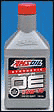
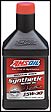
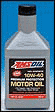
Have the above lube, air filter, engine lube filter
vehicle maintenance part numbers and quantities highlighted above ready to give to
operator over the phone
These are part numbers above are specifically used with this vehicle
1998 HONDA CIVIC 1.6L Oil Change and Maintenance Guide
ABOUT THIS VEHICLE AND ENGINE
The 1998 Honda Civic represents a significant era in the sixth generation of the Civic lineage. This specific model is powered by the D16Y7 engine, a 1.6L inline-four configuration that has earned a reputation for durability and efficient operation. As part of the Honda D-series engine family, the D16Y7 utilizes a Single Overhead Cam (SOHC) design, which balances mechanical simplicity with reliable performance for daily commuting.
For many owners, this vehicle is valued for its predictable handling and high level of mechanical transparency. Because the 1998 model year sits in the middle of the sixth-generation lifecycle, it benefits from several years of refinement in manufacturing processes. The D16Y7 engine is characterized by its ability to maintain consistent performance over long periods when subjected to regular lubrication and cooling system care. Understanding the specific needs of this engine is essential for anyone looking to maximize the longevity of this classic compact vehicle.
CHOOSING ENGINE OIL
Selecting the correct 1998 HONDA CIVIC 1.6L oil is critical for maintaining the tight tolerances within the D-series engine. The manufacturer's original recommendation for this engine is SAE 5W-30 viscosity. This grade provides a balance of flow during cold starts and sufficient film strength when the engine reaches operating temperature.
When choosing between different oil types, consider the following:
- Conventional Oil: This was the standard during the vehicle's production era. It is effective for meeting basic lubrication needs but breaks down faster under high heat or heavy load compared to synthetics.
- Synthetic Oil: Full synthetic oils offer superior thermal stability and better flow characteristics in cold temperatures. Using a modern full synthetic 5W-30 can provide enhanced protection against sludge formation and easier starting in winter conditions.
- Synthetic Blend: This option provides a middle ground, offering some of the stability of synthetics with the cost-effectiveness of conventional oils.
- High-Mileage Oil: For older 1998 HONDA CIVIC models that have surpassed significant mileage milestones, high-mileage formulations are often beneficial. These oils contain seal conditioners designed to help prevent or soften the hardening of older rubber gaskets and seals, which can mitigate minor oil seepage.
Regardless of the base oil chosen, ensure the product meets current API (American Petroleum Institute) service standards. Modern API certifications are backward-compatible, meaning a high-quality modern oil will exceed the performance requirements that were available when the vehicle was manufactured in 1998.
WHY OIL MAINTENANCE MATTERS ON THIS ENGINE
The D16Y7 engine relies heavily on consistent oil pressure to protect its internal components. Proper lubrication is not just about reducing friction; it is vital for the operation of the valvetrain and the protection of the crankshaft and connecting rod bearings. Because this is a SOHC engine, the camshaft and its associated rockers rely on a steady flow of oil to prevent premature wear.
Beyond lubrication, the 1998 HONDA CIVIC engine oil plays a crucial role in heat management. As oil circulates through the block and head, it carries heat away from critical combustion areas. Furthermore, clean oil acts as a detergent, preventing the buildup of carbon deposits and sludge. If oil is allowed to stay in the crankcase too long, it can oxidize and form a thick sludge that restricts oil passages, potentially leading to starvation of the upper valvetrain.
MAINTENANCE CONCERNS AND AGE-RELATED ISSUES
As vehicles from the late 1990s age, certain maintenance areas require closer attention. For the 1998 Honda Civic, owners should be mindful of aging rubber and plastic components. This includes engine mounts, vacuum hoses, and various cooling system hoses that may become brittle over time.
Oil seepage is a common aspect of age-related maintenance for this engine family. It is common to see minor weeping around the valve cover gasket or the oil pan gasket as the rubber ages and loses its elasticity. While small amounts of seepage are expected on an older vehicle, it should be monitored to ensure it does not lead to significant fluid loss. Additionally, the crankcase ventilation system (PCV system) should be inspected; a clogged PCV valve can cause increased internal pressure, which may exacerbate oil leaks or lead to oil consumption.
The cooling system is another critical area for 1998 HONDA CIVIC maintenance. Ensuring that hoses are free of cracks and that the radiator remains clear of debris is essential to prevent overheating, which can cause catastrophic damage to the cylinder head gaskets.
WHAT TO INSPECT DURING AN OIL CHANGE
A 1998 HONDA CIVIC oil change provides an ideal opportunity for a comprehensive under-hood inspection. When the vehicle is raised to access the drain plug, perform the following checks:
- Oil Filter Sealing Area: Ensure the filter is seated correctly and that there is no sign of oil weeping from the gasket interface.
- Drain Plug and Washer: Inspect the drain plug for signs of stripping and always use a fresh sealing washer to prevent slow leaks.
- External Leaks: Look at the area around the valve cover, distributor O-ring, and oil pan for any evidence of active leaks.
- Belts and Hoses: Check the serpentine belt for cracking or glazing and inspect coolant hoses for softness or bulging.
- Air Filtration: Inspect the engine air filter for debris or heavy dust buildup, as restricted airflow can impact fuel economy and engine performance.
- Fluid Levels: While the oil is being changed, it is a good time to check the brake fluid, power steering fluid, and coolant levels.
OIL-RELATED WARNING SIGNS
Owners should remain vigilant for symptoms that indicate an issue with the engine's lubrication system. One of the most immediate signs is the oil pressure warning light appearing on the dashboard; this requires immediate attention to prevent engine seizure.
Other indicators include:
- Unexplained Oil Loss: If you find yourself needing to top off the oil frequently between changes, there may be an internal or external leak.
- Burning Odors: A smell of burning oil often indicates that oil is leaking onto hot engine components, such as the exhaust manifold.
- Blue Exhaust Smoke: This can be a sign that oil is entering the combustion chamber, often due to worn valve seals or piston rings.
- Ticking or Knocking Noises: Unusual mechanical noises, particularly a rhythmic ticking from the top of the engine, may indicate low oil pressure or insufficient lubrication in the valvetrain.
- Milky Appearance: If the oil on the dipstick appears milky or has a "chocolate milk" consistency, this is a sign that coolant has entered the oiling system, often due to a failed head gasket.
HISTORY AND OWNERSHIP INTEREST
The sixth-generation Honda Civic holds a special place in automotive history as one of the most successful iterations of the model. The 1998 model year is particularly noted for its balance of economy and reliability, making it a staple of many households during the late 90s and early 2000s. The D-series engine used in this vehicle is highly regarded by enthusiasts for its simplicity and the ease with which it can be maintained or serviced.
Ownership of a 1998 Civic often appeals to those who value mechanical longevity and predictable operating costs. Because these vehicles were produced in high volumes and engineered with robust components, they remain common on the road today. For many, they represent an era of Honda engineering where simplicity and durability were the primary design drivers.
MAINTAINING AN OLDER 1998 HONDA CIVIC
Maintaining a vehicle that is over two decades old requires a shift from reactive repairs to preventative maintenance. The most effective way to ensure the continued reliability of your 1998 HONDA CIVIC is to stay ahead of age-related wear.
Regularly inspecting ignition components, such as spark plugs and wires, can prevent misfires and maintain fuel efficiency. Furthermore, keeping a close eye on the electrical connections and battery terminals will help prevent starting issues. Because older engines are more sensitive to temperature fluctuations, ensuring the cooling system is fully functional—including the thermostat and radiator cap—is one of the best ways to protect the engine from long-term damage.
Finally, always respect the vehicle's maintenance history. If you have recently acquired this vehicle, performing a baseline service (oil, filter, and all fluids) is a wise way to establish a known starting point for your own ownership period.
BUYING ENGINE OIL FOR THE 1998 HONDA CIVIC 1.6L
When shopping for 1998 HONDA CIVIC 1.6L oil, prioritize the correct viscosity to ensure proper engine protection. Look specifically for an SAE 5W-30 grade. While modern synthetic oils are excellent upgrades for this engine, they must still meet the appropriate API service standards to ensure compatibility with your engine's metallurgy and seal materials.
If your vehicle has very high mileage and shows signs of minor seepage, a high-mileage specific oil may be a beneficial choice due to its integrated seal conditioners. Always verify that the oil you are purchasing is compatible with a SOHC 1.6L engine configuration. Using the correct specification ensures that the oil can flow through the narrow passages of the D16Y7 valvetrain effectively, even during cold starts, providing the protection this engine requires.
|





















 WIX High
Quality Air Filter


 Amsoil Absolute Efficiency Filter