|
Have the above lube, air filter, engine lube filter
vehicle maintenance part numbers and quantities highlighted above ready to give to
operator over the phone
These are part numbers above are specifically used with this vehicle
2003 KIA SORENTO 3.5L Oil Change and Maintenance Guide
ABOUT THIS VEHICLE AND ENGINE
The 2003 Kia Sorento represents an early era of the Sorento model line, serving as a mid-size SUV designed for versatile utility. This specific application is powered by a 3.5L DOHC (Double OverHead Cam) engine. The 3497cc displacement indicates a larger-capacity engine within the Kia lineup for this model year, providing the necessary torque and power delivery for an SUV chassis.
As a vehicle from the early 2000s, the 2003 Sorento utilizes mechanical systems that require consistent attention to fluid integrity and component condition. Understanding the requirements of the 3.5L engine is essential for maintaining its operational efficiency and ensuring long-term performance.
CHOOSING ENGINE OIL
Selecting the correct oil for your 2003 Kia Sorento is a critical step in engine preservation. Because different engines require specific fluid properties to maintain proper internal clearances and lubrication, you should match the engine oil to the application-specific viscosity information shown above on this page.
When choosing an oil, consider the following options available in the modern market:
- Conventional Oil: A standard petroleum-based lubricant that provides reliable protection for many older engine designs.
- Synthetic Oil: Engineered for higher thermal stability and better resistance to oxidation, which can help maintain lubrication under varying operating temperatures.
- Synthetic Blends: These combine conventional and synthetic oils to offer a balance of performance and cost-effectiveness.
- High-Mileage Formulations: Some high-mileage oil formulations contain additives intended for use in aging engines. These may include seal-conditioning additives designed to help maintain the integrity of older gaskets and seals.
Regardless of the type you choose, ensure the product meets the appropriate API (American Petroleum Institute) certifications to guarantee it meets modern standards for deposit control and engine cleanliness.
WHY ENGINE OIL MAINTENANCE MATTERS
Engine oil serves as the lifeblood of the 3.5L engine. Its primary function is lubrication, which creates a thin film between moving metal parts to reduce friction. Without adequate lubrication, the internal components of the engine can experience rapid wear.
Regular maintenance provides several key benefits:
- Friction Reduction: Minimizes contact between pistons, bearings, and the valvetrain, reducing mechanical drag.
- Heat Management: Helps dissipate heat from high-friction areas within the engine block and cylinder head.
- Contamination Control: Oil helps suspend soot, carbon deposits, and other combustion byproducts, preventing them from forming sludge that can clog narrow oil passages.
- Protection of Bearings and Valvetrain: Ensures that critical components receive a constant flow of pressurized oil to prevent metal-on-metal contact.
- Cold-Start Protection: High-quality oils are designed to flow quickly during initial startup, providing immediate lubrication when the engine is most vulnerable.
AGE-RELATED MAINTENANCE
As a 2003 vehicle reaches higher mileage and age, certain components naturally undergo more significant wear. For owners of an older Kia Sorento, proactive inspection of age-sensitive areas can help identify issues before they lead to mechanical failure.
Areas that warrant regular attention include:
- Gaskets and Seals: Inspect the engine compartment for signs of fluid seepage or leakage from various gaskets.
- Rubber Components: Check the condition of accessible drive belts and cooling system hoses for cracking, glazing, or softening.
- Crankcase Ventilation: Ensure the ventilation systems are not clogged, as this can lead to increased internal pressure.
- Cooling System: Inspect the radiator, hoses, and coolant condition to prevent overheating.
- Ignition-System Components: Inspect age-sensitive ignition components and electrical connections for corrosion or wear.
- Air Filtration: A clean air filter is essential to prevent contaminants from entering the combustion chamber.
WHAT TO INSPECT DURING AN OIL CHANGE
An oil change provides an ideal opportunity to perform a broader visual inspection of the vehicle's undercarriage and engine bay. When performing a 2003 Kia Sorento oil change, consider checking the following:
- Oil Filter Area: Check the sealing area around the filter for any signs of residual oil or leaks.
- Drain Plug and Washer: Inspect the condition of the drain plug and ensure the sealing washer is in good condition to prevent slow drips.
- Fluid Seepage: Look for evidence of leaks near the oil pan, valve covers, or other accessible gaskets and seals.
- Drive Belts and Hoses: Visually inspect accessible belts for fraying or deterioration and check hoses for bulges or leaks.
- Cooling System Integrity: Look for signs of coolant residue or weeping around hose connections.
- Electrical and Wiring: Check that wiring harnesses and connectors are secure and show no signs of heat damage or brittle insulation.
OIL-RELATED WARNING SIGNS
If you notice changes in how your engine operates, it may indicate an issue with the lubrication system. It is important to note that many symptoms can have multiple causes, and a single sign does not definitively prove a specific part has failed.
Watch for these indicators:
- Unexplained Oil Loss: A sudden or gradual drop in oil level without visible external leaks may indicate internal consumption.
- Visible Leakage: Puddles under the vehicle or wet spots on the engine block.
- Burning-Oil Odor: This may indicate oil is contacting a hot surface, such as the exhaust manifold.
- Blue Exhaust Smoke: This can be associated with engine oil entering the combustion process.
- Oil-Pressure Warning: An illuminated oil pressure light requires immediate investigation to prevent engine damage.
- Unusual Engine Noise: Ticking or knocking sounds may indicate insufficient lubrication or mechanical wear.
- Contaminated Oil: Oil that appears milky or contains visible metallic particles warrants professional inspection.
VEHICLE HISTORY AND LONG-TERM OWNERSHIP
For long-term ownership of a 2003 Kia Sorento, maintaining detailed service records is highly beneficial. Knowing the history of previous repairs and oil changes can help you identify patterns in maintenance or potential issues.
When managing an older vehicle, be mindful of the following:
- Signs of Neglect: Look for evidence of deferred maintenance, such as heavily fouled spark plugs or excessive sludge buildup.
- Rubber and Plastic Degradation: Age-sensitive components like vacuum lines and electrical insulation can become brittle over two decades.
- Replacement Part Verification: When performing repairs, ensure that replacement parts are compatible with the specific 3.5L engine requirements.
- Cooling System History: Given the age of the vehicle, the history of coolant flushes and radiator maintenance is vital for preventing overheating.
MAINTAINING AN OLDER 2003 KIA SORENTO
Preventative inspection becomes increasingly important as a vehicle ages. For the 2003 Kia Sorento, staying ahead of potential issues through regular checks can extend the life of the engine and other critical systems.
Focus your maintenance efforts on monitoring the condition of seals to prevent leaks, ensuring the cooling system remains pressurized and free of debris, and verifying that all ignition components are functioning correctly. Regular air filtration changes and keeping electrical connections clean will also help maintain the reliability of the vehicle's electronic and mechanical systems.
BUYING ENGINE OIL FOR THE 2003 KIA SORENTO 3.5L
When purchasing oil for your 2003 Kia Sorento, accuracy is paramount. Do not rely on general automotive knowledge or memory to select a grade; instead, match the engine oil to the application-specific viscosity information already displayed on this page.
To ensure the best results, follow these practical guidelines:
- Use Reputable Brands: Select oils from recognized manufacturers that adhere to strict quality control standards.
- Verify API Certification: Ensure the oil carries the appropriate API service symbol for your engine type.
- Consider Your Needs: Decide between conventional, synthetic, or synthetic blends based on your driving habits and the specific requirements of the 3.5L engine.
- High-Mileage Options: If your vehicle has high mileage, consider a high-mileage formulation that may contain seal-conditioning additives.
- Match the Application: Always prioritize the exact viscosity and specifications provided for this specific year, make, and model to ensure proper engine protection.
|




















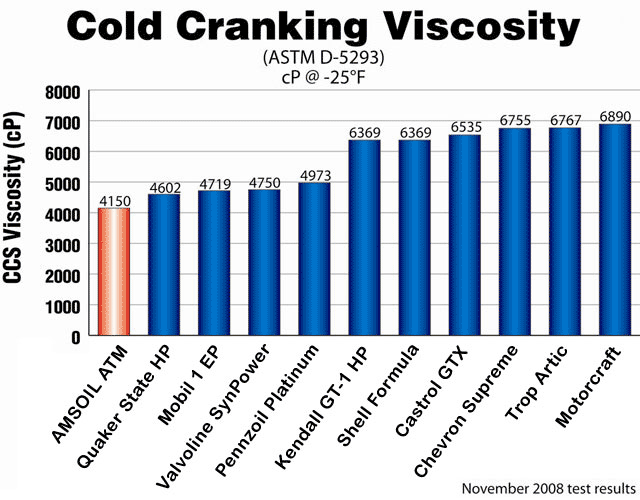


 Amsoil Absolute Efficiency Filter
 Amsoil European synthetic 5W-40 motor oil. Meets/exceeds rigorous VW 502.00, 505.00, 505.01, DaimlerChrysler MS-10725, Porsche and Mercedes-Benz 229.31/229.51 specifications. It is one of the only oils to be recommended in North America for latest specifications for all 3 major European automakers- Volkswagen (Audi), BMW, and Mercedes Benz and the latest North American API specs. Superior to oils at local car dealerships. Change interval: Based on Oil Life Monitor or change at mileage stated in vehicle owner's manual. Pour point: -44F. Fire point 474F. Flash point 446F. Four ball wear test ASTM D-4172: 0.44